 A Calmer Life
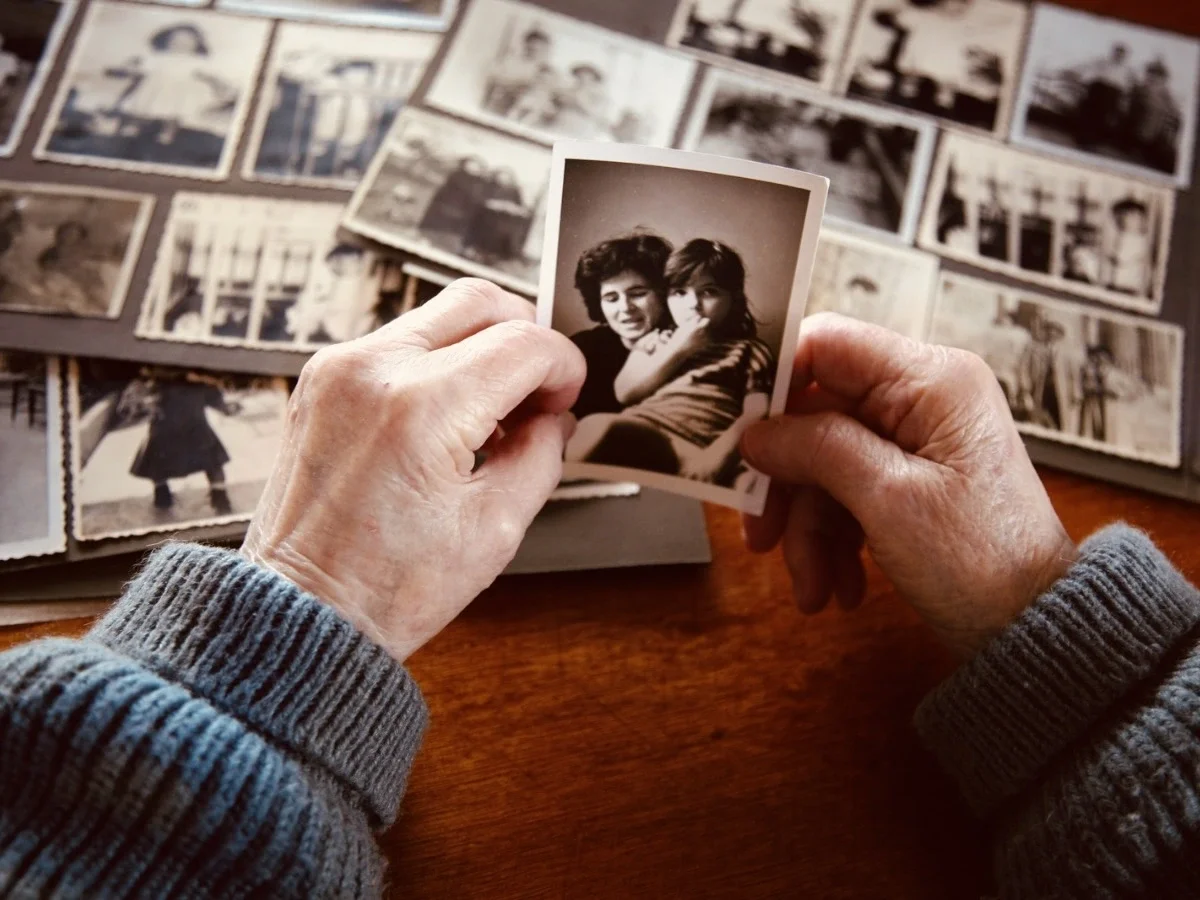
Grief Has No Timetable: What Healing Actually Looks Like
Forget stages and deadlines. Real healing is messier, quieter, and much more human — and recognising its actual shape is what makes it bearable.
There is no schedule for grief and no right way to feel. This guide walks through the small, steady practices that help — one honest step at a time, in the order that tends to help most.
Published November 10, 2026 · 7 steps

Healing is not a project with a deadline. It is what happens, slowly and unevenly, while you keep living inside a life that has changed. Some days you will feel almost normal and then a song, a smell, an empty chair will undo you — that is not going backwards. That is what grief actually looks like.
This guide is a starting point, not a prescription. Work through the steps in order and tick each one off as you settle into it; your progress is saved on this page. Skip nothing because it looks too small — in a hard season, small is exactly the size that works.
One honest note before you begin: this site shares lived experience and gentle practices, not medical advice. If grief is tipping into something you cannot carry — persistent hopelessness, an inability to function day to day — please reach out to a doctor, a grief counsellor, or a support line in your country. Asking for that kind of help is one of the steps, not a failure of them.
The first work of grief is not fixing anything — it is permission. Sadness, anger, guilt, numbness, even relief: all of these are normal weather in a grieving mind, sometimes in the same hour.
Grief is physical. It disrupts sleep, appetite and energy, and everything feels harder when the basics collapse. You are not aiming for a wellness routine — you are aiming for "enough".
When life feels shapeless, one repeated moment gives the day a handrail. Pick something tiny and kind that you can do at the same time each day.
Grief kept silent tends to get heavier. It needs a witness — a person, a page, or God.
Many people fear that healing means forgetting. It does not. Healing is learning to carry the memory without it crushing you — and you can practice that deliberately.
"Let me know if you need anything" is hard to answer when you can barely decide what to eat. Make it easy for people to actually help.
At some point — there is no schedule for this either — you will notice a morning that feels lighter, an hour where the loss is not the first thought. That is not the end of love. It is the beginning of a different chapter of it.
There is no set timetable for grief. Healing is gradual and uneven: good days and sudden waves are both part of it, and anniversaries or reminders can stir grief again years later, usually more softly each time. What matters is not a deadline but the slow shift from the loss being everything to the loss being one part of a life that is growing again.
Yes. Sadness, anger, guilt, numbness and even relief are all normal weather in a grieving mind, sometimes within the same hour. Grief does not follow a fixed set of stages, and there is no correct amount of crying. Naming what you feel — to a person, a page, or in prayer — usually makes it easier to carry.
Reach out to a doctor, a grief counsellor, or a support line in your country if grief tips into something you cannot carry — persistent hopelessness, or an inability to function day to day. This guide shares lived experience and gentle practices, not medical advice, and asking for that kind of help is one of the steps, not a failure of them.
No. Healing is learning to carry the memory without it crushing you. Keeping photos and stories, marking hard dates with a small ritual of your own, and talking about the person — including the funny stories — are all part of healing, not obstacles to it.
Forget stages and deadlines. Real healing is messier, quieter, and much more human — and recognising its actual shape is what makes it bearable.
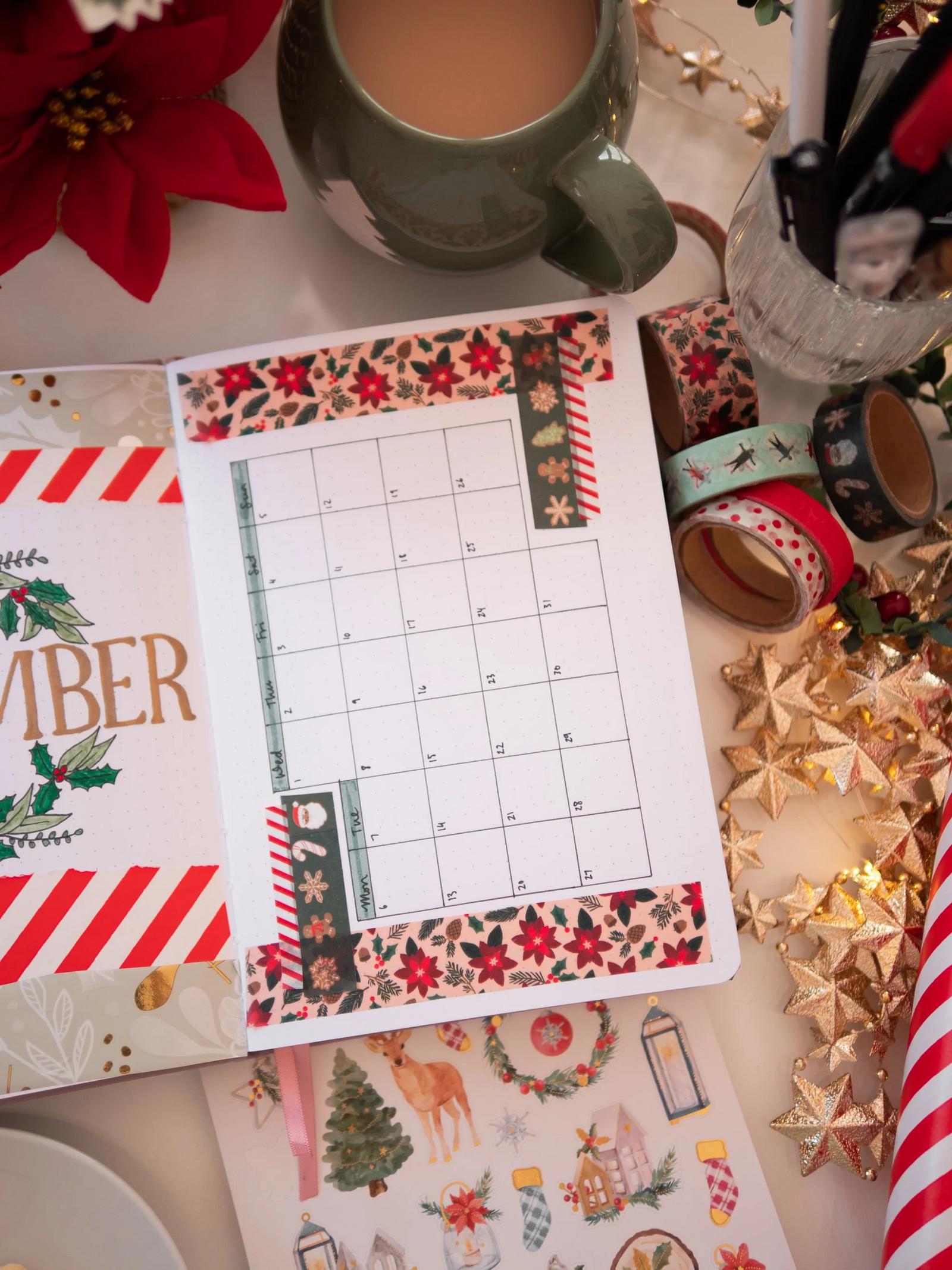
Looking for stocking stuffer ideas that are more than filler? The best journal gifts and planner gifts are small, useful and personal — washi tape, stickers, a great pen, a mini notebook. A Christmas gift guide grouped by budget and by the kind of journal keeper you are buying for.
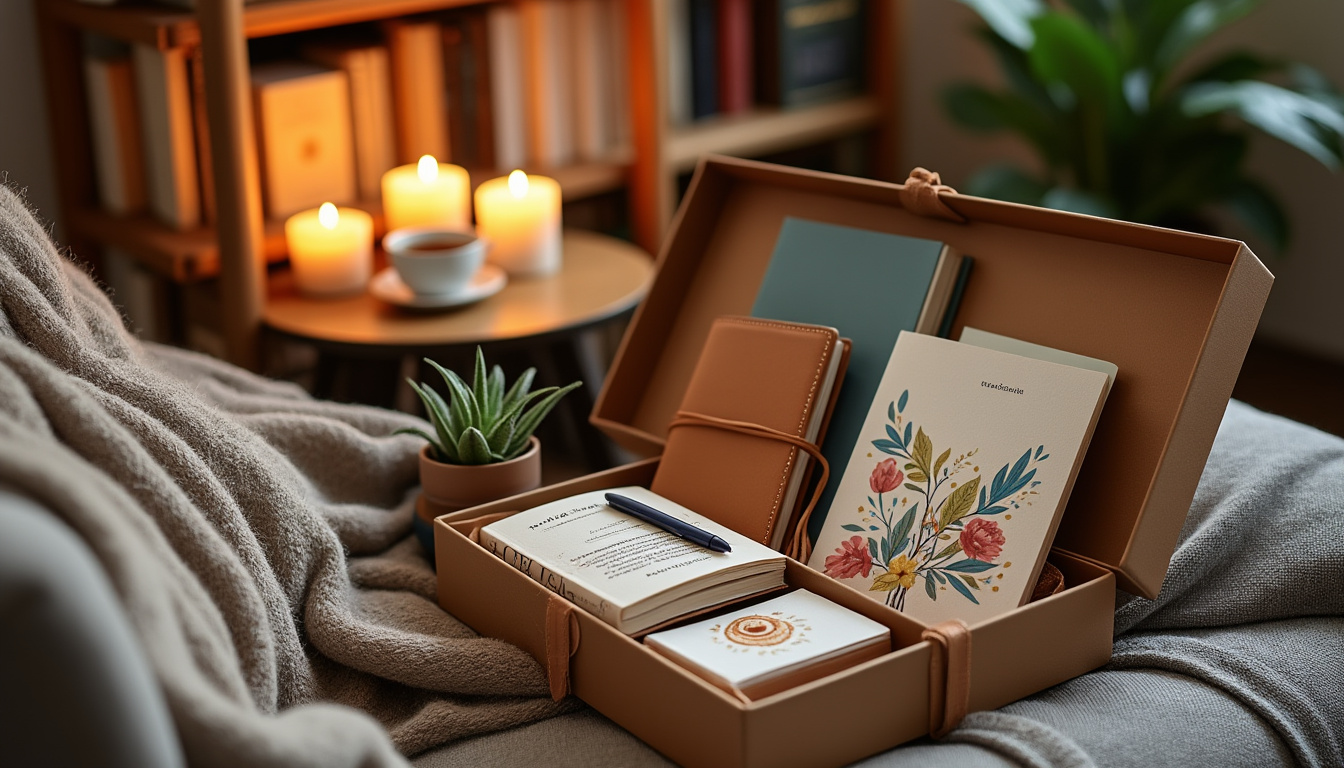
Buying for someone who is always working on themselves? The gifts that land are not the flashiest — they are the tools that slip into a habit the person already has. A research-backed guide, grouped by what they are working on and by budget.