 A Calmer Life

Healing After Loss: A Gentle Start-Here Guide
There is no schedule for grief and no right way to feel. This guide walks through the small, steady practices that help — one honest step at a time, in the order that tends to help most.
Forget stages and deadlines. Real healing is messier, quieter, and much more human — and recognising its actual shape is what makes it bearable.
Published November 12, 2026
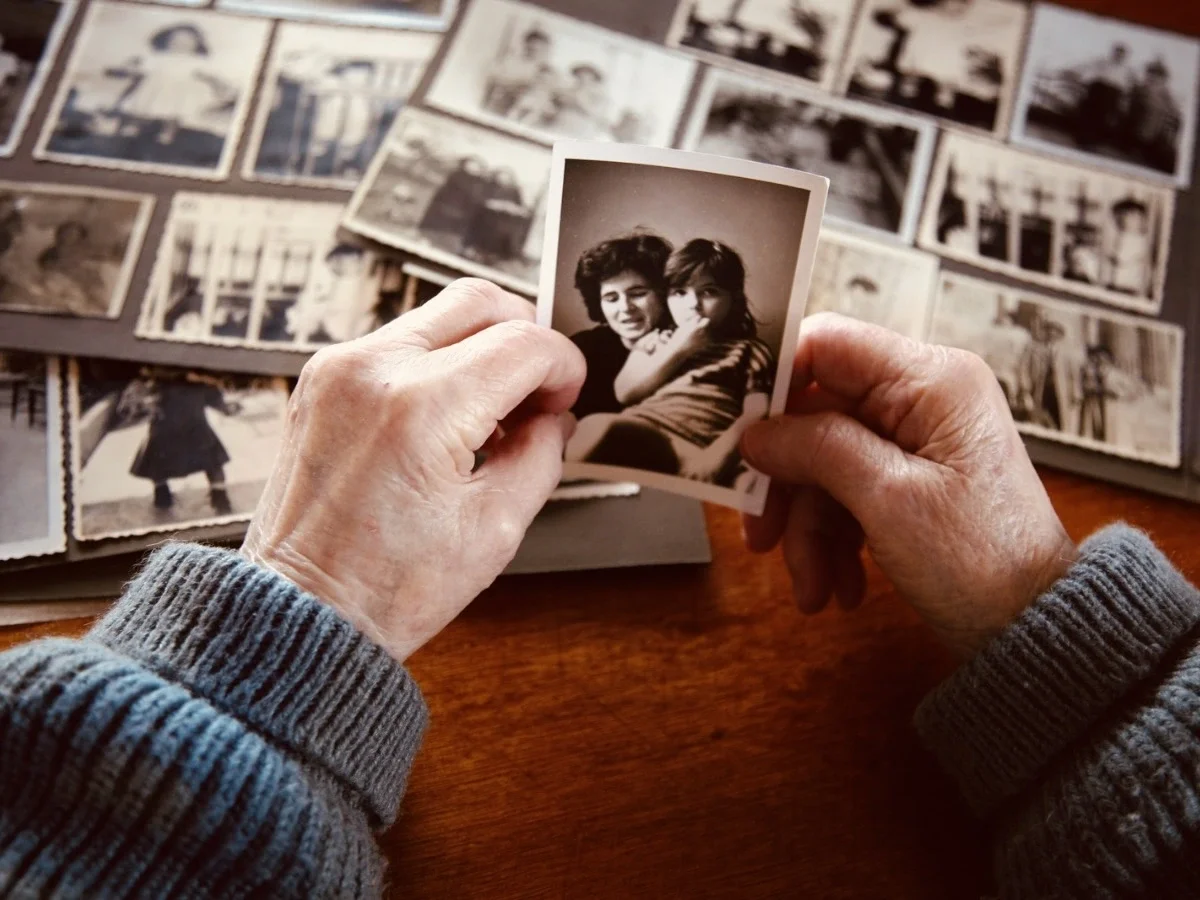
Somewhere along the way, many of us absorbed the idea that grief runs on a timetable: a hard year, then recovery; a set of stages, climbed in order, then done. Real grief ignores all of that. The famous "stages" were never meant as a checklist for the grieving, and anyone who has actually lost someone knows the truth: you can accept the loss at breakfast and be furious about it by lunch.
Letting go of the timetable is not lowering your standards. It is removing a second burden — the shame of grieving "wrong" — from the first one.
None of this is a straight line, and none of it means you are doing it badly.
Much of the pain of grief comes from either/or thinking: either I am moving on or I am honouring them; either I am strong or I am struggling. Healing lives in the "and":
Healing rarely announces itself. It shows up as small absences: a morning where the loss is the second thought, not the first; a story you can tell without your voice breaking; a plan for next month that you actually look forward to. Count those. They are the real milestones — not dates on a calendar, but evidence that you are learning to carry this, which is all healing ever promised to be.
The famous stages were never meant as a checklist for the grieving, and real grief does not climb them in order. You can accept a loss at breakfast and be furious about it by lunch. Letting go of the timetable removes a second burden — the shame of grieving “wrong” — from the first one.
Because healing is not a straight line. Anniversaries, songs and empty chairs can ambush you years later — softer each time, but real. Researchers describe grief as an oscillation between facing the loss and rebuilding daily life; moving back and forth between the two is the process working, not failing.
Healing rarely announces itself. It shows up as small absences: a morning where the loss is the second thought, not the first; a story you can tell without your voice breaking; a plan for next month you actually look forward to. Those quiet milestones — not dates on a calendar — are the evidence you are learning to carry it.
Yes. Much of the pain of grief comes from either/or thinking. Healing lives in the “and”: you can miss them every day and build a good life, feel grateful for the time you had and angry that it ended. Laughter about someone you lost is loyalty, not betrayal.
There is no schedule for grief and no right way to feel. This guide walks through the small, steady practices that help — one honest step at a time, in the order that tends to help most.

Looking for stocking stuffer ideas that are more than filler? The best journal gifts and planner gifts are small, useful and personal — washi tape, stickers, a great pen, a mini notebook. A Christmas gift guide grouped by budget and by the kind of journal keeper you are buying for.

Buying for someone who is always working on themselves? The gifts that land are not the flashiest — they are the tools that slip into a habit the person already has. A research-backed guide, grouped by what they are working on and by budget.